If you’ve never been to Turkana, Kenya, you’re missing out. This is the world’s largest alkaline lake and home to more than forty species of fish and millions of crocodiles. But, what’s all the fuss about? Read on to learn more about this unique Lake Turkana Safari. You may also be surprised to learn that camels and Grevy’s zebra also live here.
Lake Turkana is the world’s largest permanent desert lake
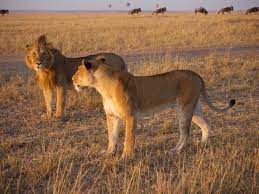
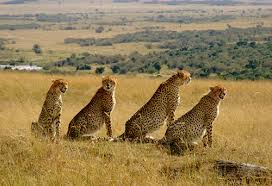
The landscape surrounding Lake Turkana is a lunar like landscape and features several endemic species. The lake is home to over 50 different species of fish and is home to the little stint, wood sandpiper, and white-breasted cormorant. In addition, you’ll find plenty of wildlife, such as cheetahs, rhinos, and elephants.
Despite its remote location, Lake Turkana has received less attention than other AGL. To make the area more viable, action must be connected to national, regional, and international efforts. In addition, any project that aims to improve the area’s ecosystem must also include efforts to improve human health, promote literacy, and create economic incentives for livelihood diversification. To make the most of the lake’s potential, the region must be more economically viable and have less dependence on the lake.
It is also the world’s largest alkaline lake
In addition to being the largest permanent lake in a desert, Lake Turkana is also the world’s largest alkaliee. With a salinity of 2.44%, this saltwater lake is surrounded by both xeric shrubland and desert, including the Chalbi Desert. The lake’s area is also home to the Turkana tribe, which has a largely dormant population along its shores. There are other tribes in the region, such as the Daasanach, Rendille, and Gabbro.
The lake is home to more than 50 species of fish, including 12 endemic species. The lake’s flora and fauna include cichlids, barbs, catfish, robber tetras, and lampreys. In addition to these species, you can also find a variety of birds, including flamingos, African skimmer, and white-breasted cormorant.
It is home to millions of crocodiles
The crater lakes of Lake Turkana are surrounded by rocky beaches and petrified cedar forests. The waters are whipped by searing winds, which provide the perfect breeding grounds for the world’s largest population of crocodiles. Crocodiles live for about 130 million years and have barely changed in their appearance. They are mostly harmless and feed on prolific fish.
Aside from the crocodiles, you will also see various fish species, including the Nile perch and large tilapia. You can also see prehistoric fish such as the pufferfish. The lake is rich in fossils, including the bones of crocodiles and elephants. Crocodiles are known to be one of the most fascinating creatures to observe on a Lake Turkana Safari.
It is home to more than 40 species of fish
More than 50 fish species live in the lake, including 12 endemics. The lake is home to a variety of bird species, including the flamingo, common sandpiper, a wood sandpiper, and white-breasted cormorant. The region is also home to elephants, cheetahs, and rhinos. Despite its abundance of fish, Lake Turkana also has a variety of other animals, including cheetahs and rhinos.
The lake is fed by two rivers: the Omo River, which enters the lake in the north and the Turkwel River which are dammed for hydroelectricity. While Lake Turkana itself is classified as an aquatic biome, the area surrounding it is classified as desert. East of the lake is the Chalbi Desert, while the surrounding area is covered in xeric shrubland, which is characterized by four palms and dwarf shrubs.
It is an adventure of a lifetime
If you’re searching for an adventure in the wilderness of Kenya, a Lake Turkana Safari is a must-do! Located in the northwest of the country, Lake Turkana is 670 kilometers north of Nairobi, approximately 13 hours by car. This unspoiled region boasts spectacular scenery, and wildlife, as well as active volcanoes and deserts. For a unique experience, consider combining your Lake Turkana safari with a visit to the Masai Mara.
The most striking feature of this area is the shoreline of Lake Turkana, a vast body of water amidst algae-enhanced shades of green. The lake is also home to endangered species of crocodiles, as well as other animals and plants. The shoreline provides habitat for many different types of fish, as well as water birds and other species. UNESCO has also declared Sibiloi National Park as a World Heritage Site.
 Lake Turkana Safari